Ángel is selected to participate in the Young Leaders Program at the 23rd Science and Technology Forum in Kyoto, Japan
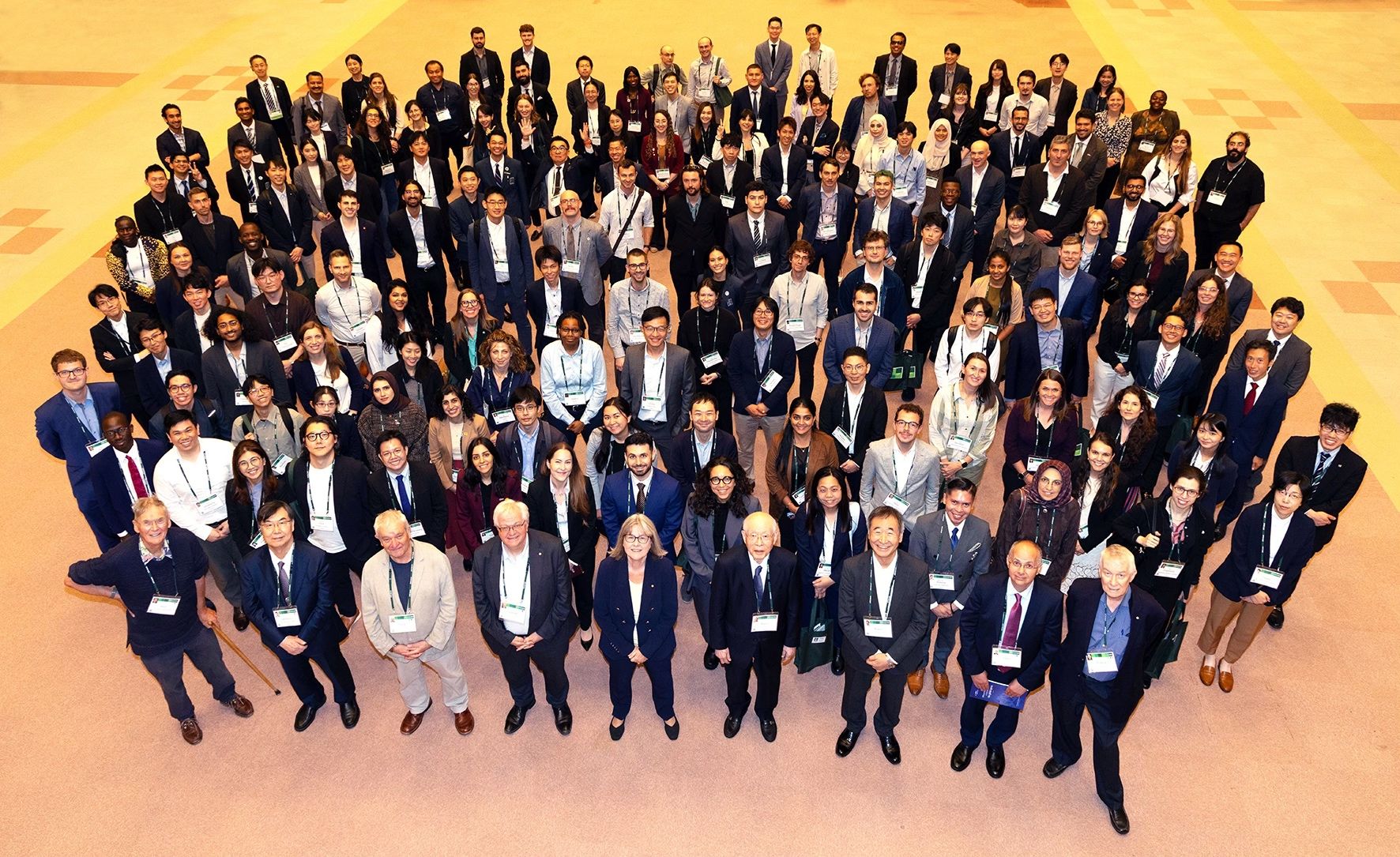
A brief summary of the event can be found here. If you are curious, you can read a more detailed interview here.
A brief summary of the event can be found here. If you are curious, you can read a more detailed interview here.
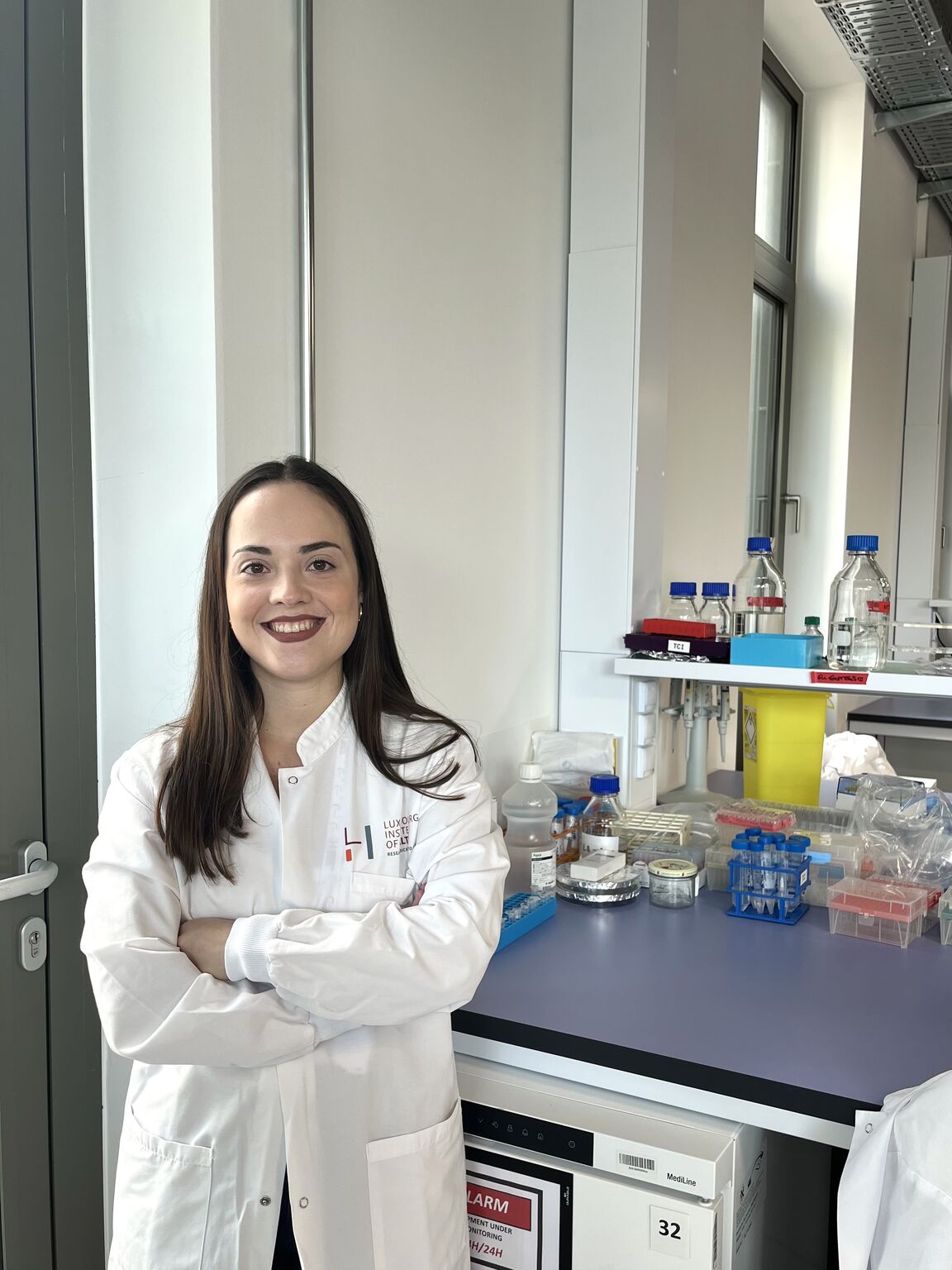
Irene graduated in Biochemistry and obtained a M.Sc. in Genetics and Genomics from the Universitat de Barcelona. She developed her Ph.D. thesis under the supervision of Roger Gomis at the IRB Barcelona. Her doctoral research shed light on how MAF amplification increases the risk of breast cancer metastasis, revealing a new mechanism by which MAF interaction with oestrogen receptor alpha drives pro-metastatic epigenetic remodeling in breast cancer cells.
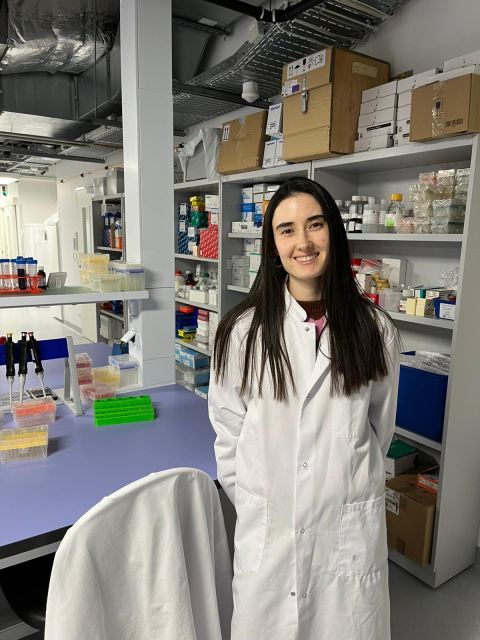
Elisabeth graduated in Biology from the Universitat Autònoma de Barcelona and obtained her M.Sc. in Biomedicine from the Universitat de Barcelona working on the role of PTPN11 mutations in acute myeloid leukaemia progression and resistance to treatment. She then continued her work at the Josep Carreras Leukaemia Research Institute as a Research Assistant in Laura Belver's laboratory, contributing to multiple projects in the field of immuno-oncology.
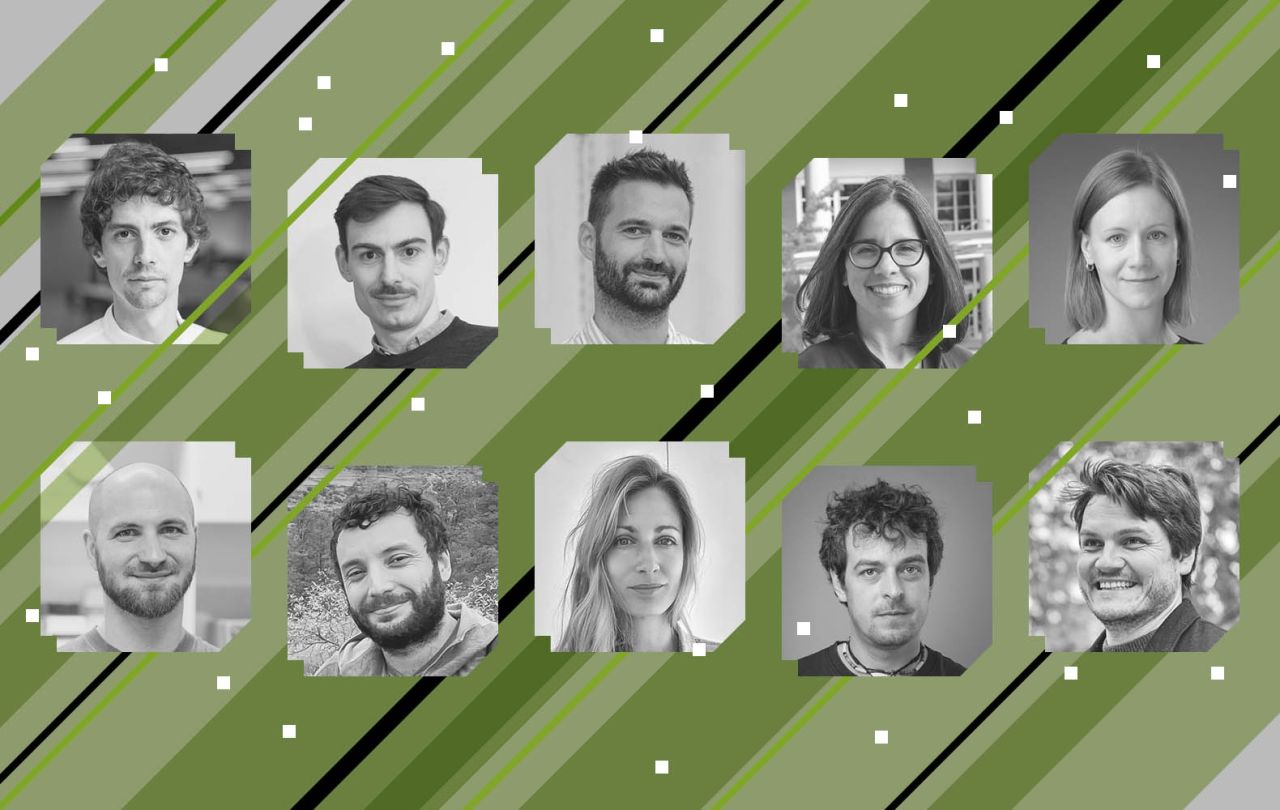
Ángel is one of the ten scientists selected to receive EMBO Installation Grants to support esbalishing their laboratories. A big thank you to EMBO!
Read more
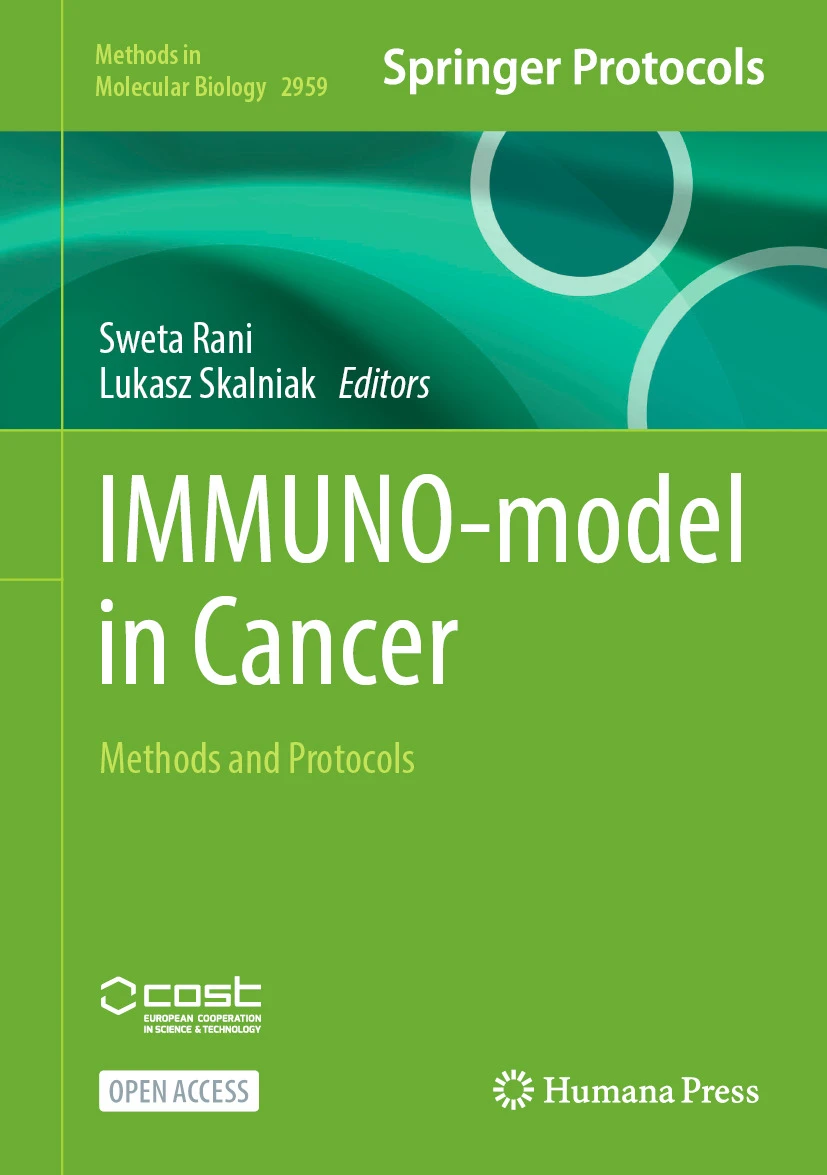
Interested in how to model brain cancer in vivo? Read the book chapter.
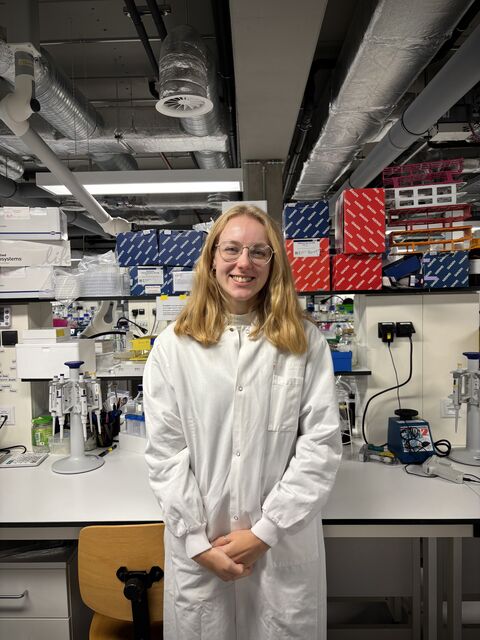
Charlotte graduated in Natural Sciences and earned an M.Phil. in Pathology from the University of Cambridge, where she worked on identifying personalised therapies for ALK inhibitor-resistant neuroblastoma. She then joined CHARM Therapeutics, contributing to the development of new drugs against therapy-resistant cancers.
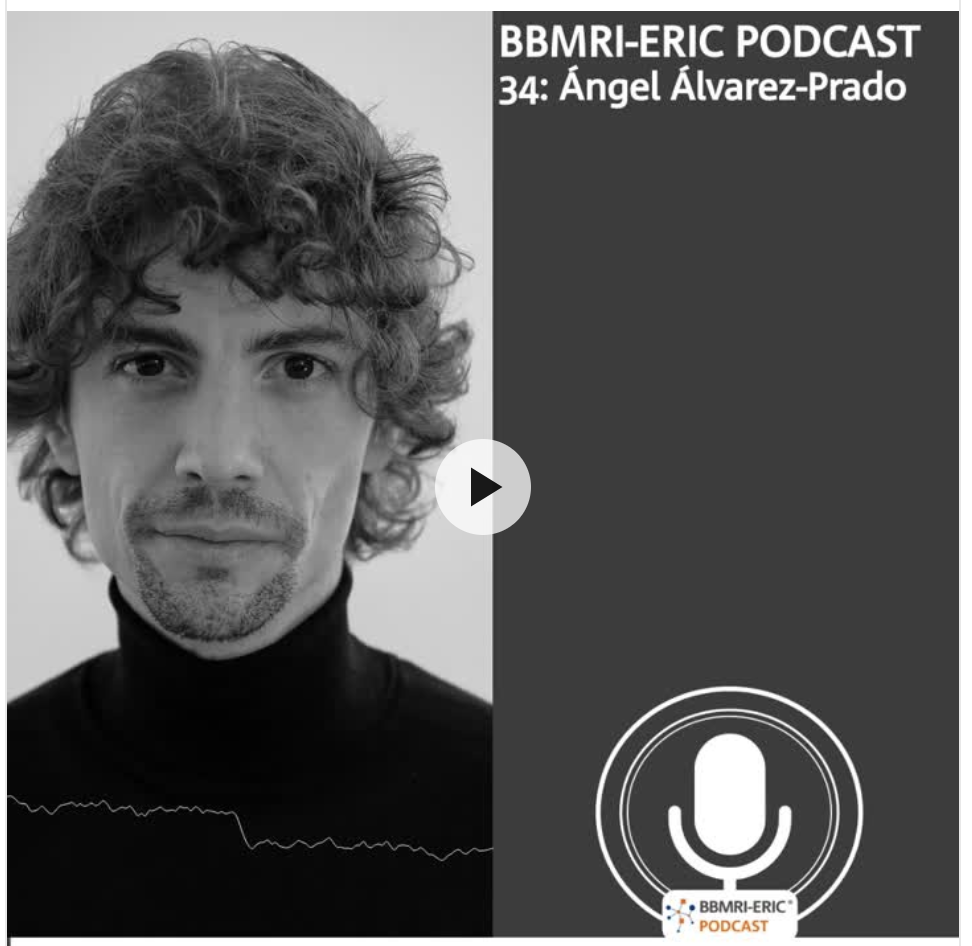
Ángel had a enjoyable conversation with Mariangela Masiello from BBMRI-ERIC, if you’d like to know more about his career trajectory and what we do in the lab, check it out!
Listen to the podcast
We are thrilled to announce that we have been awarded the European Research Council (ERC) Starting Grant!
This exceptional funding will let us look into how ageing and genetic variation shape the immune microenvironment of brain metastatic tumors, and how this influences responses to therapy. We are deeply grateful to the European Commission for its trust and extraordinary support.
We can’t wait to get this exciting research started, let’s go!
Read more
Glioblastomas (GBM) are incredibly hard to treat brain tumors, not only because of their location, heterogeneity and infiltrative nature, but also because of their ability to exploit the immune system in their favor.
This project started back in 2019, when Ángel joined Johanna Joyce's lab for his postdoc, and was born from the observation that GBM cancer cells express much higher levels of interferon-stimulated genes (ISGs) than healthy cells. They saw this as a good opportunity to differentially target GBM cells while engaging immune mediators to trigger an anti-tumoral immune response.
By impairing ADAR1 function in cancer cells, a key mediator of the RNA sensing pathway, we're partially mimicking a viral infection. This increases ISG expression, fosters anti-proliferative mechanisms and simultaneously signals the immune system to mount a response. This resulted in reduced tumor growth and extended survival in multiple immunocompetent mouse models of GBM, establishing proof of concept of the potential of exploiting ADAR1 for therapy.
Our lab is now actively working on drugging ADAR1 in vivo, with the hope of moving a step closer to clinical translation.
We couldn't be happier to share our results with the community. It has been a long journey and we've navigated multiple challenges, but working with Johanna Joyce, Alberto Hernández Barranco, Livia Rentsch and Cátia Feitor da Costa on this has been an absolute pleasure. A big thank you for your key contributions and congratulations for the great work!
Read the paper
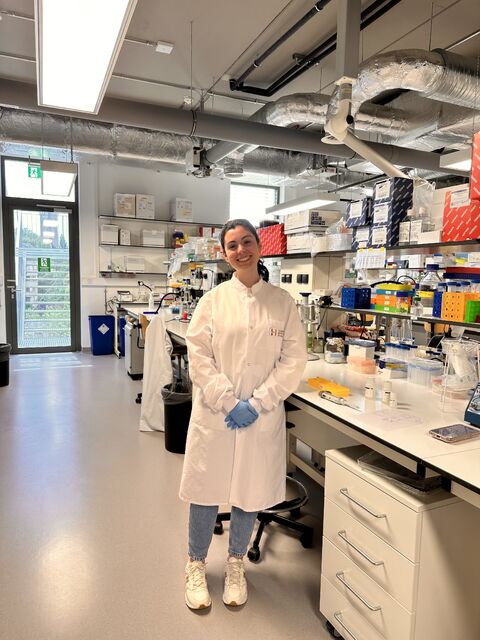
Paula graduated in Biochemistry from the University of Dundee and did her M.Sc. in Biomedical Sciences at Maastricht University where she worked on enhancing NK cell function for immunotherapy against pancreatic cancer.
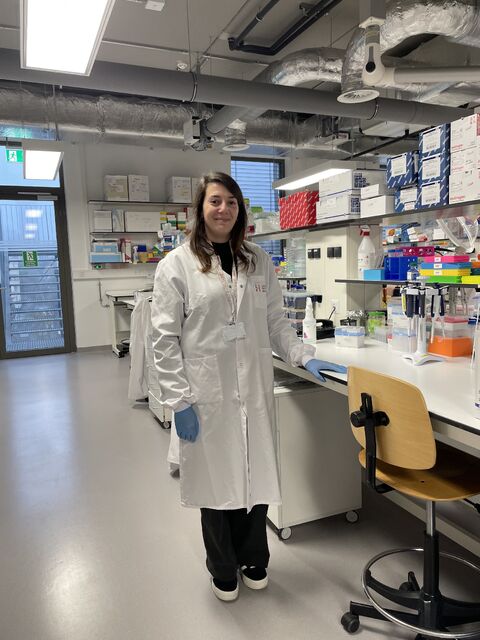
Camille graduated in Life Sciences and obtained her M.Sc. in Neurosciences from the University of Strasbourg. She then moved to Michel Mittelbronn's laboratory at the Luxembourg Institute of Health, where she spent 7 years as a research technician working on different aspects of microglia and glioblastoma biology.
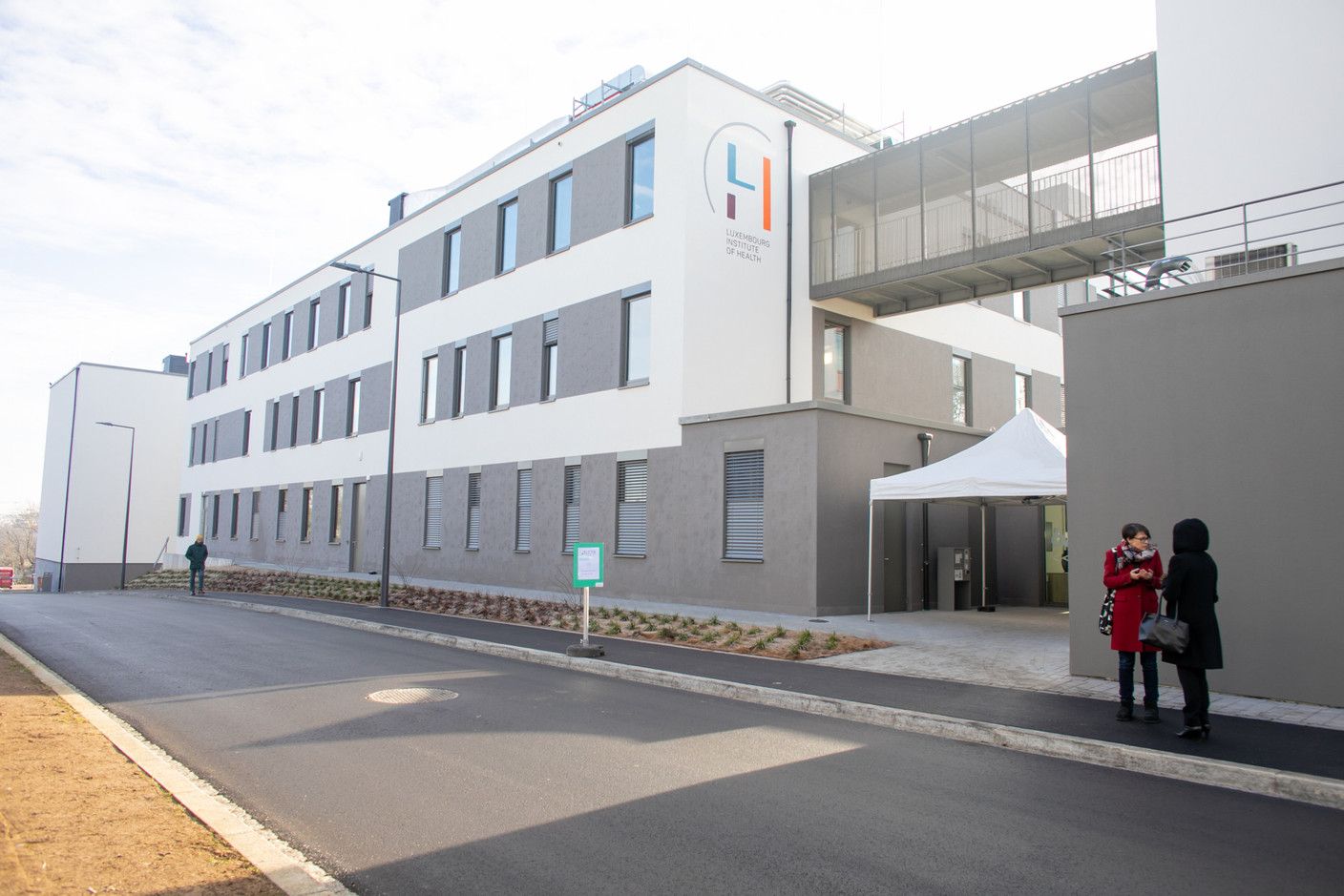
We are thrilled to announce the official opening of the Translational Cancer Immunogenomics Laboratory in the Department of Cancer Research at the Luxembourg Institute of Health. This was made possible by the generous support of the Luxembourg National Research Fund (FNR) through its ATTRACT programme.
Exciting times ahead!